Verified vs. Unverified Claims: Why The Distinction Matters
Some supplement claims can be checked against an official label, a manufacturer statement, or independent research. Others cannot.
Understanding which category a claim falls into changes how much weight it deserves in your purchasing decision.
What makes a claim verifiable
A verifiable claim can be checked against a primary source: a current product label, a manufacturer's own published Supplement Facts panel, or independent research on a named, dosed ingredient.
What makes a claim unverifiable
A claim becomes unverifiable when the only source is marketing copy, an affiliate page, or a testimonial, with no way to cross-check it against a primary source like an official label or manufacturer statement.
Why this distinction should change your confidence, not just your trust
An unverifiable claim is not necessarily false — it simply cannot be confirmed one way or the other from available information. The honest response to an unverifiable claim is reduced confidence, not automatic rejection or automatic acceptance.
Why we apply this standard to our own writing
When we cannot verify a specific claim about a product, our responsibility is to say so directly rather than filling the gap with an assumption presented as fact.
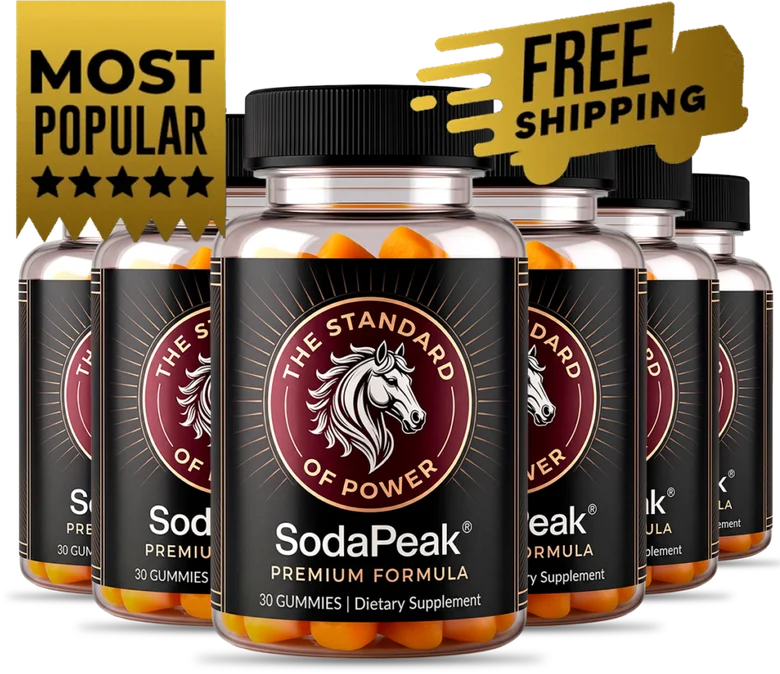
Applying this to SodaPeak
SodaPeak's specific ingredient list falls into the unverifiable category based on our research — we could not confirm it against a primary source. See our full 90-day assessment for how this affects our overall recommendation.